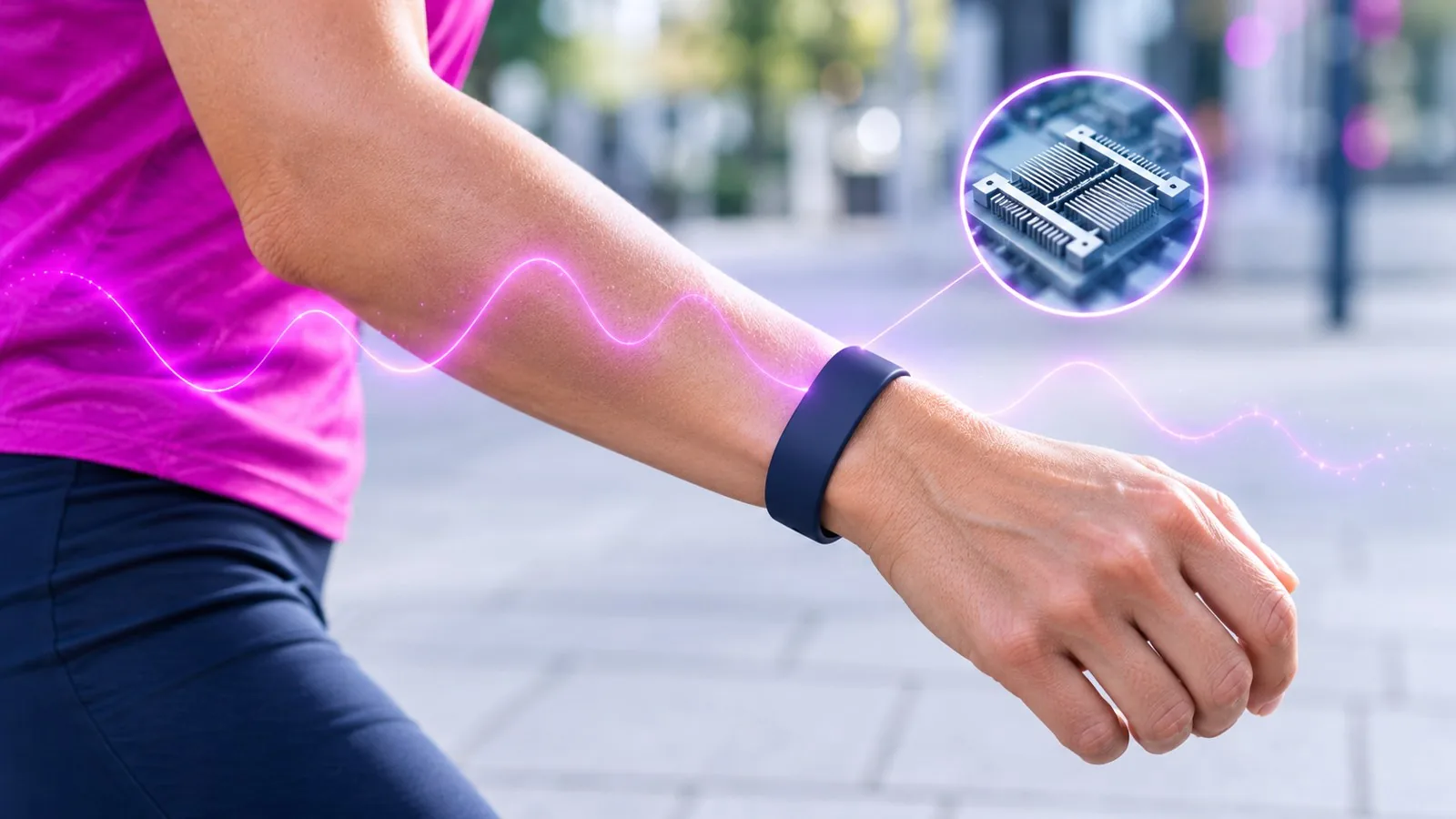
steps
How a screenless wristband counts your steps
A silicon comb smaller than a lentil turns the swing of your arm into steps. Here is how it works, why it slips up and where 10,000 steps came from.

A silicon comb smaller than a lentil turns the swing of your arm into steps. Here is how it works, why it slips up and where 10,000 steps came from.
One in five takes a weekly siesta, Germans almost as often as Spaniards, and a long nap barely shortens the night: data from 4,289 siestas in five countries.
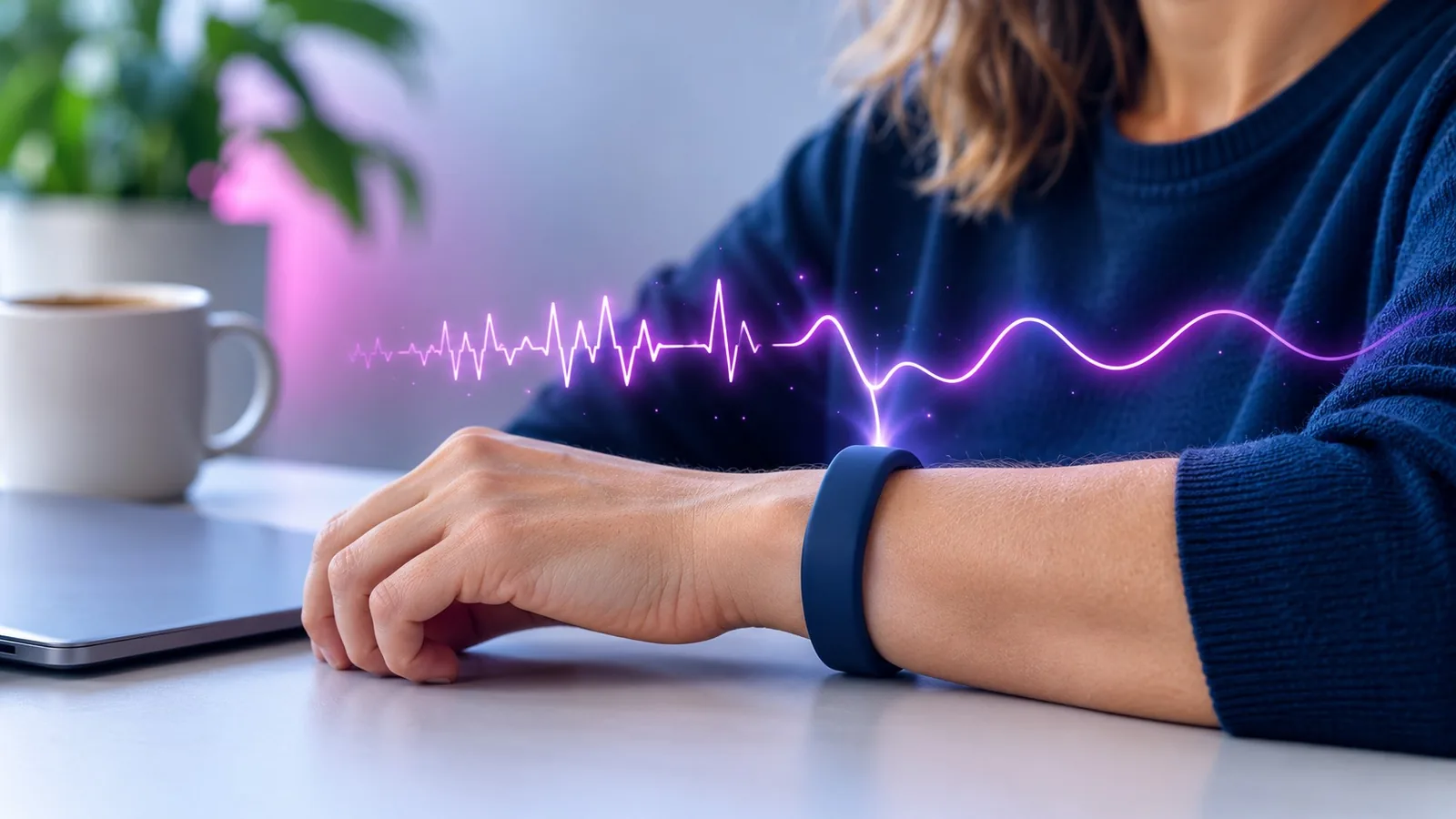
Your wristband can’t read your mind: it listens to the tiny gaps between heartbeats. Here is how HRV becomes a stress figure, and what it can’t know.
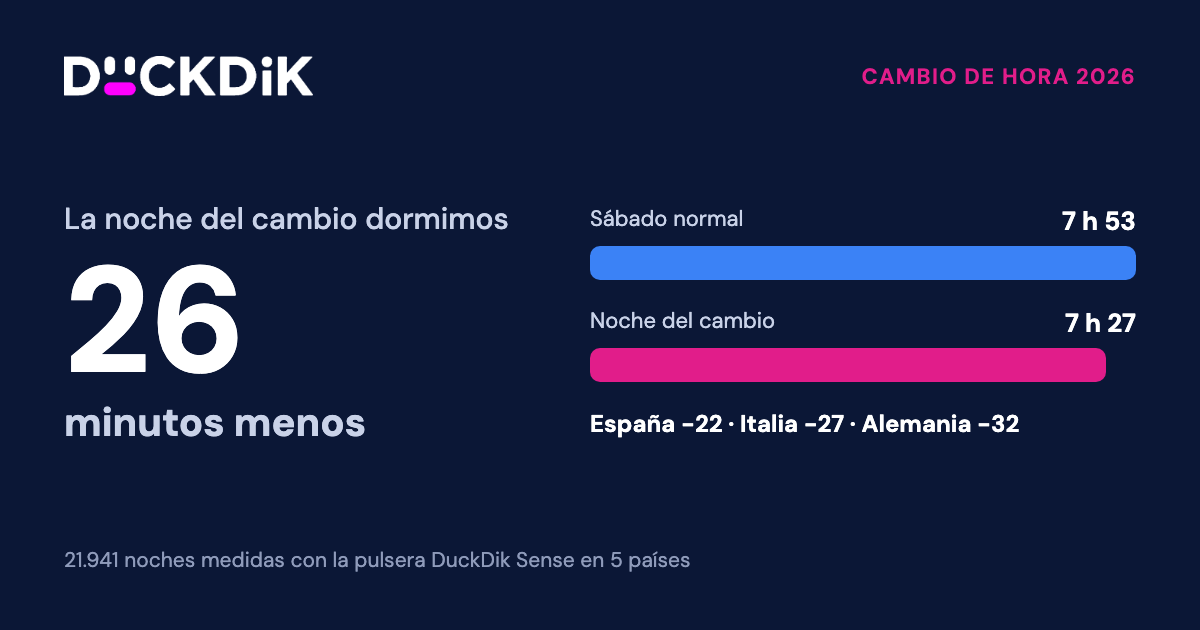
On the changeover night we slept 26 min less than a normal Saturday. Data from 21,941 nights in five countries show how the body adapted.
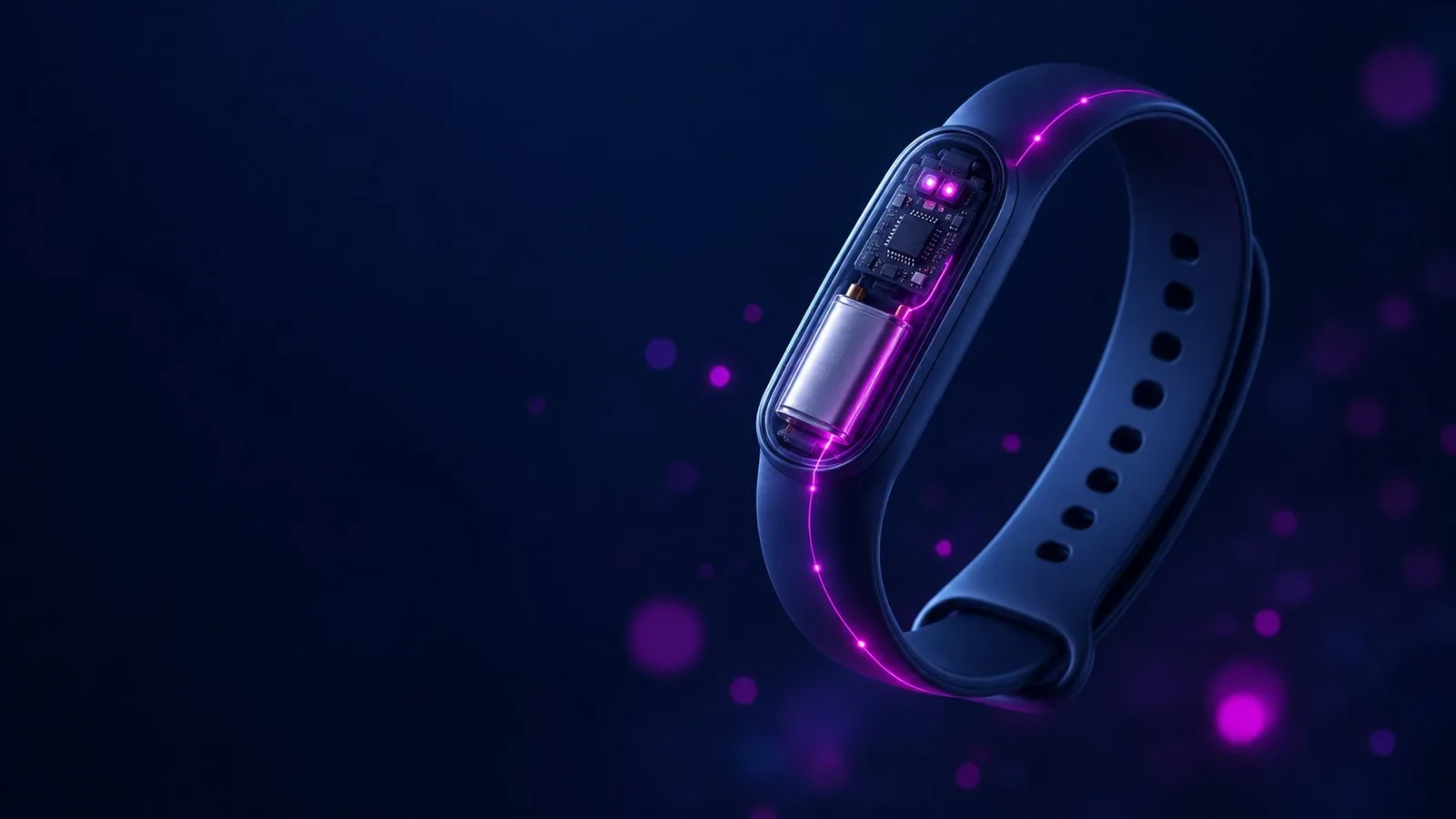
Why a smartwatch needs charging daily but a screenless band lasts 45 days: what drains it, how Bluetooth saves power and why the phone does the maths.
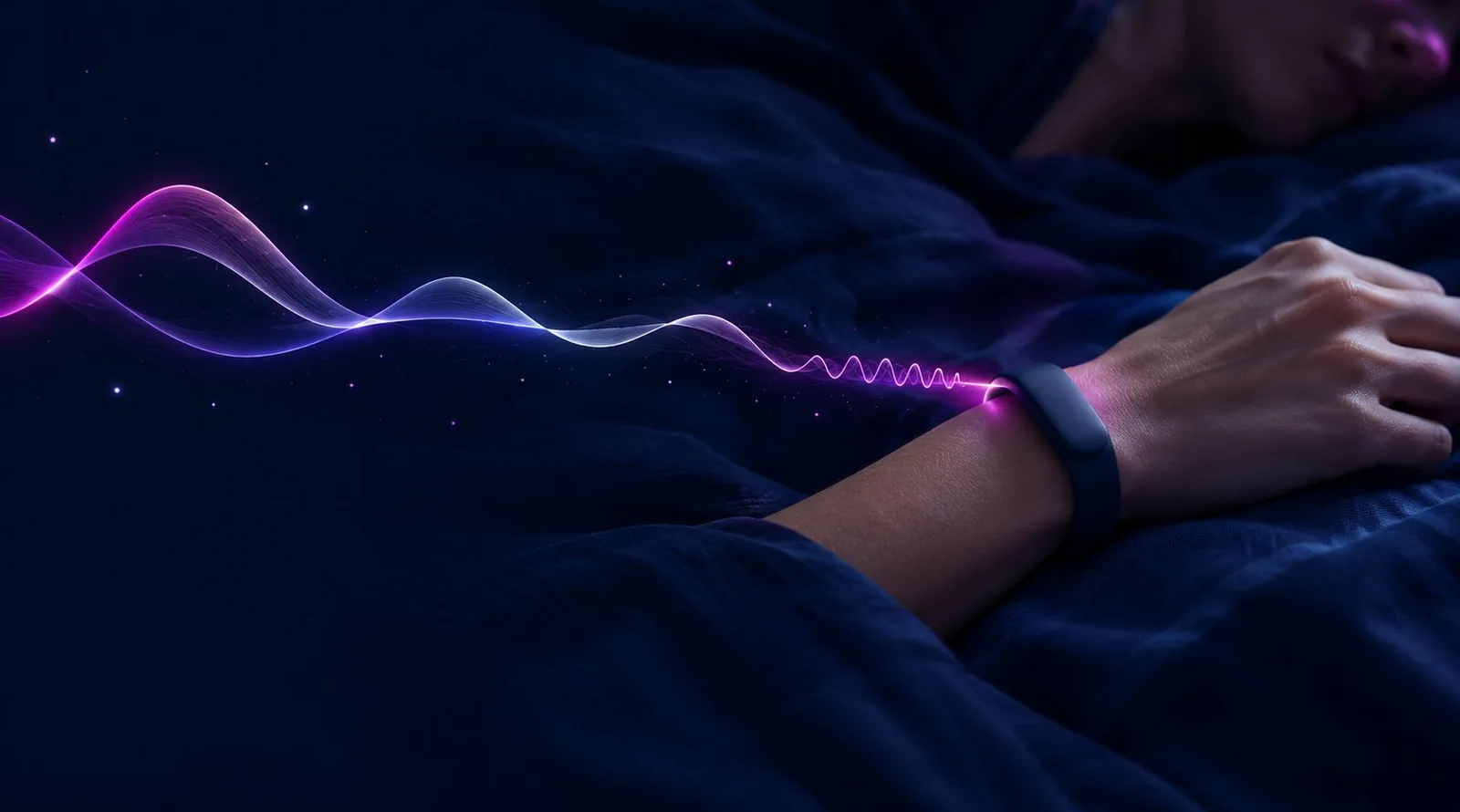
Without seeing your brain, a band slices the night into 30-second chunks and guesses your sleep stage from pulse, HRV and movement. Here's how it works.
Not even its creators fully understand how AI reasons. That raises a bigger question: what if we ourselves are mathematics discovering itself?
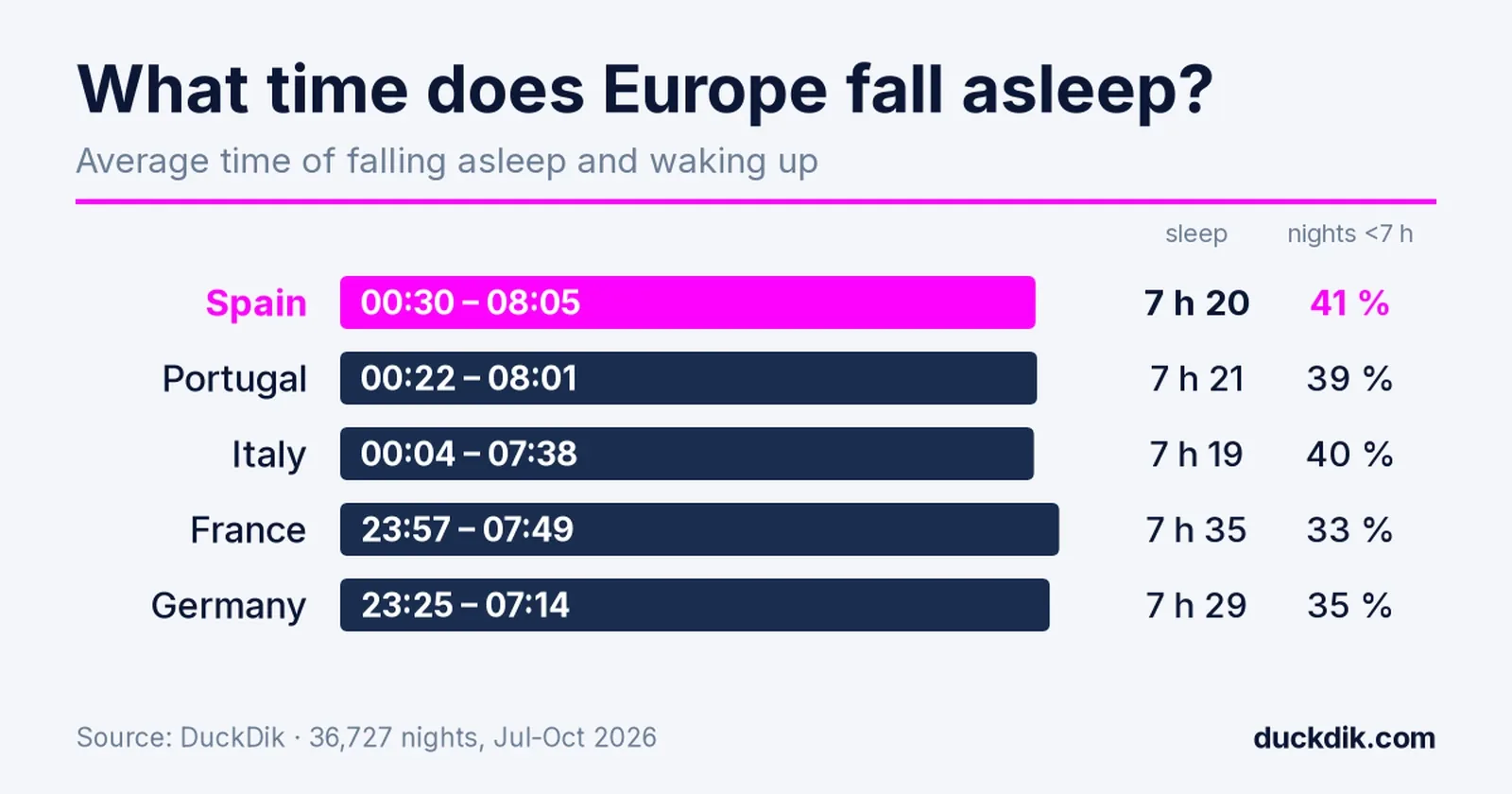
Spain falls asleep at 00:30, an hour later than Germany. Data from 36,700 nights in five countries, ahead of the 25 October clock change.
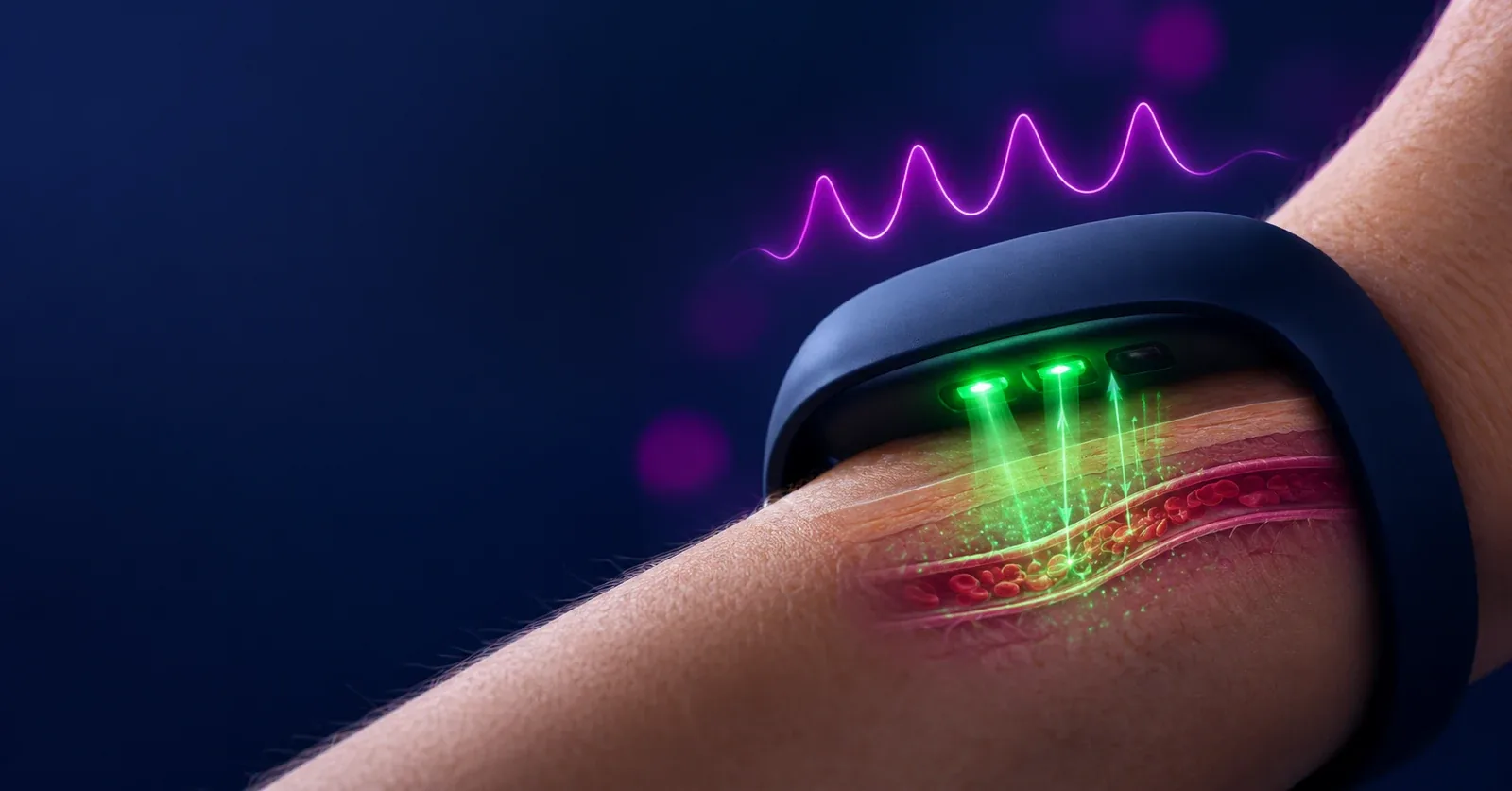
How a wristband knows your pulse using only light: what photoplethysmography (PPG) is, how it works out pulse, HRV and SpO2, and why it sometimes errs.